
As science uncovers more about the link between the gut and wellbeing, we’ll delve into fascinating insights about how maintaining a healthy gut can lead to improvements in mood, rest, and more. Discover how the state of your gut might just be the missing piece to achieving a balanced and healthier lifestyle.
From sleep to anxiety: 40+ surprising facts about the impact of gut health
In the ever-evolving field of health research, the gut is now recognised as a key player in influencing our overall wellbeing. This guide explores the unexpected connections between gut health and various aspects of our lives, from the quality of our sleep to the intensity of our anxiety.

Chapter 1
An introduction to gut health
What is gut health?
Fact 1
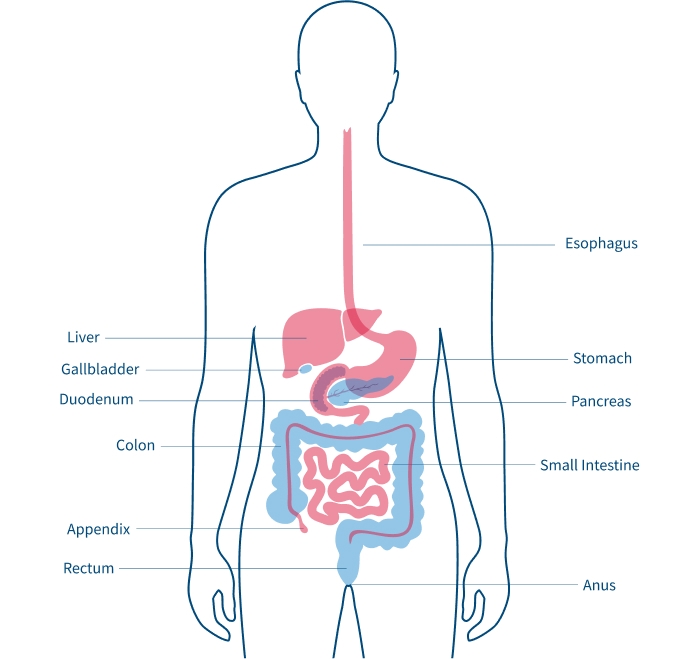
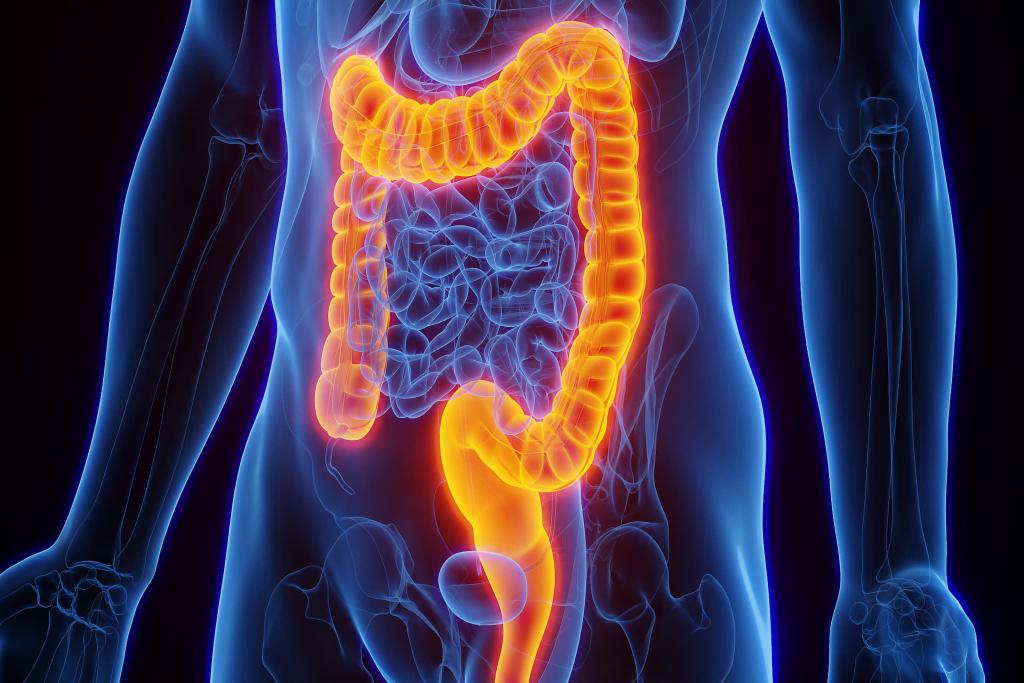
Your gut is your gastrointestinal system
This is made up of your esophagus, stomach, liver, gallbladder, pancreas, intestines, and colon.
Fact 2
The enteric nervous system (ENS)
Millions of nerve cells line the entire system, or gastrointestinal tract, and control how your body digests food, absorbs nutrients, and gets rid of waste. They also communicate with your brain. These nerve cells are known as the enteric nervous system (ENS).
Fact 3
Gut health refers to the health of these parts of your body.
Although scientists haven't yet agreed on an official definition of the term.
Fact 4
The British Medical Journal (BMJ) discusses three potential definitions of gut health:
Fact 5
They favour the final definition, stating:
“These broader criteria appreciate the gut’s role in overall well-being and recognise that a person might not have a diagnosed GI disorder but still experience suboptimal gut health due to an imbalance in the microbial structure and function, poor dietary habits, stress or other lifestyle factors. This perspective highlights the critical balance and interplay between the gut’s physical structure, its operational functions, and the complex community of microbes that it harbours.”
What is the gut microbiome?
Fact 6
The microbiome2
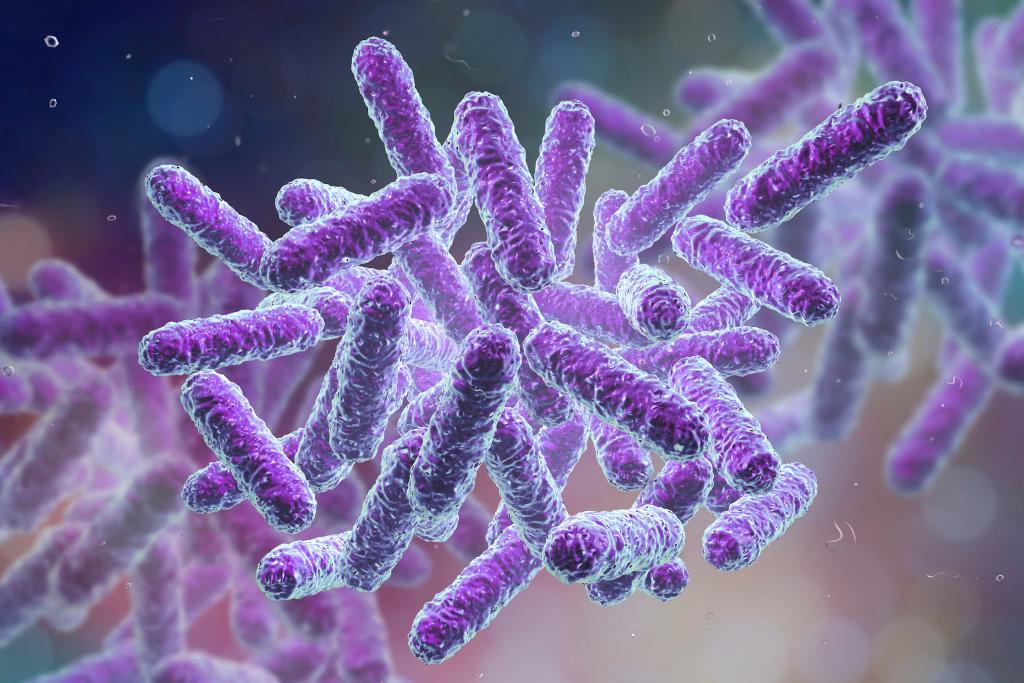
The microbiome is a collection of microbes like bacteria, fungi, parasites, viruses and yeasts that live inside your body. Your gut microbiome is mostly found in the large intestine.
Fact 7
Different microbes in the gut have different jobs
Fact 8
Every single person has a different microbiome
It can change as we age, and is also impacted by the environment we live in and the diet we eat. This is good news, because it means you have some control over improving your gut health and enjoying the benefits that come with it.
Fact 9
However, research into the gut microbiome and gut health more broadly is still in its early stages
A 2024 summit(3) with medical professionals and scientists such as gastroenterologists, microbiologists and immunologists found three things that were needed to advance microbiome treatment:
Gut health statistics
Fact 10
43% of the UK population have experienced digestive discomfort, but 41% have never been to the doctor about it. Of the 43%:
Fact 11
People are thinking about their gut health than ever before, with online searches in 2024 increasing by:
Fact 12
This suggests people are willing to make changes. As for the changes people are making?
The gut-brain connection
Fact 13
The gut-brain axis
Research suggests the central nervous system (CNS) and the gut microbiome communicate back and forth, resulting in the gut-brain connection7 (also known as the gut-brain axis).
Fact 14
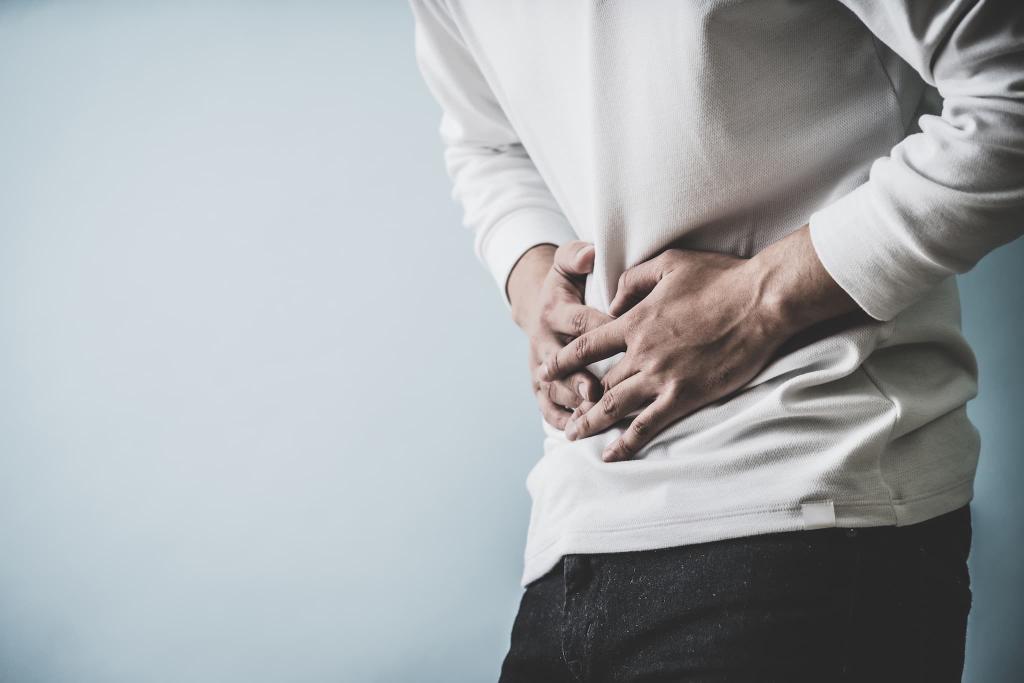
Emotions like anger, anxiety, sadness and joy have an impact on your gut and the symptoms you experience
Chances are you’ve chosen to trust your ‘gut instinct’, or felt ‘butterflies’ in your stomach when you’ve been nervous or excited. That’s the gut-brain connection making itself known.
Fact 15
This connection works both ways.
An upset stomach (naturally) causes worry, but worry can also lead to an upset stomach, for example.
Fact 16
However, this doesn’t mean gastrointestinal conditions are something you imagine
It simply means that a combination of physical and psychological symptoms can be present. For example, someone with irritable bowel syndrome8 (IBS) may experience anxiety and stress, as well as diarrhoea and/or constipation, bloating and cramping.
Fact 17
Research into the gut-brain connection can inform how gastrointestinal conditions are treated
It helps to understand how the two systems communicate with each other. If medical professionals know that there’s a link, they can refer patients for talking therapy or prescribe medication like antidepressants to address the mind as well as the body.

Chapter 2
The impact of gut health
We mentioned this briefly above, but gut health affects so much more than you might realise. In this section, we’ll explore all the things gut health has been linked to.
What is gut health linked to?
Fact 18
Digestion
Arguably the most obvious aspect of gut health, digestion occurs when your gut breaks food down so it can use the nutrients for cell repair, energy and growth.
Fact 19
Gastrointestinal conditions
Such as IBS and inflammatory bowel disease (IBD, such as Crohn’s and Colitis), which are experienced by 33%9 of the UK and one in every 123 people10 in the UK respectively. Research suggests a change in the gut microbiome11 has an impact on the pain someone with IBS has. Meanwhile, IBD is linked to the immune system, with the body attacking itself, and can cause damage and inflammation in the intestines if it’s not controlled. Both conditions can be managed (and we’ll discuss different ways you can improve your gut health later).

Fact 20
Sleep
Although research is still in its infancy, one slightly older study12 found a positive correlation between a diverse gut microbiome and longer, better sleep. While correlation doesn't necessarily equal causation, it still gives scientists a reason to keep looking into this topic. We'll look at how you can improve your sleep in the next chapter.
Fact 21
Mental health
As we’ve discussed, there’s a close link between our brains and our guts, known as the gut-brain connection or gut-brain axis, and our mental health plays a significant role.
According to the World Health Organisation, mental health13 is:
“a state of mental well-being that enables people to cope with the stresses of life, realize their abilities, learn well and work well, and contribute to their community”.
When something has a negative impact on our mental health it can create physical symptoms in addition to emotional ones. In terms of the gut, this can mean digestive problems like an upset stomach, which makes sense when you know that serotonin is linked to our mood, and most of the body’s serotonin — 95%14 — is made in the intestines.
Fact 22
The immune system
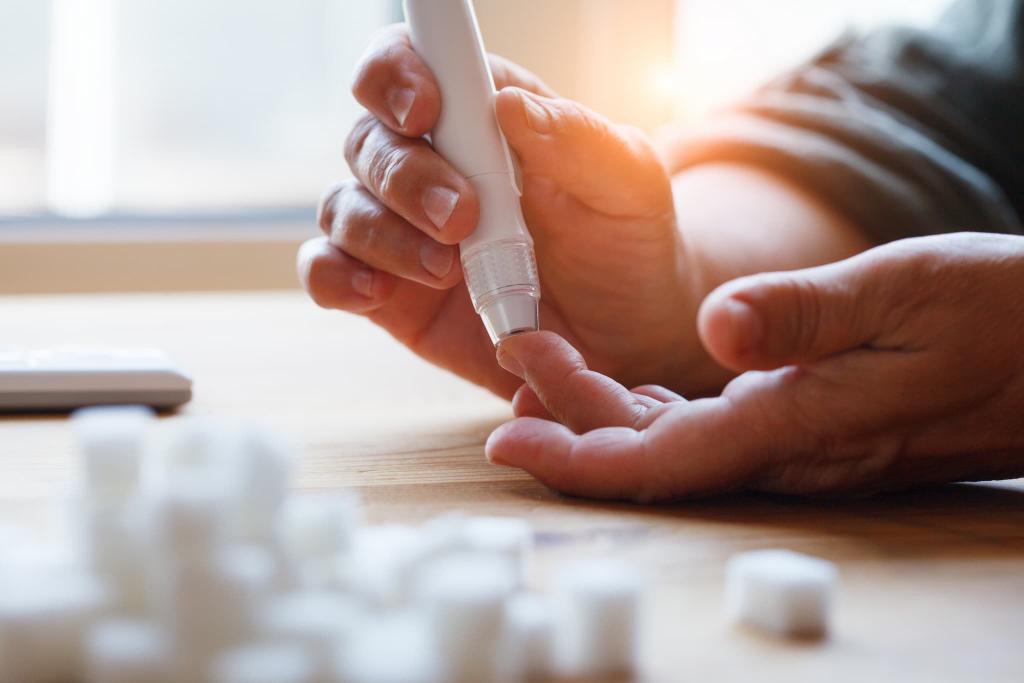
The immune system helps our bodies fight infection — and 70% is found in your gut15. Autoimmune disorders, such as Type 1 diabetes, IBD, psoriasis, and rheumatoid arthritis occur when your immune system attacks your own body, but the symptoms can generally be managed.
Fact 23
Endocrine disorders
Such as thyroid conditions or Type 2 diabetes. These disorders are caused by hormonal issues - for example, your levels might be too high or too low, or your body might not react to hormones the way it's meant to. Your gut microbiome can influence how your endocrine system functions.
Fact 24
Cardiovascular disease
Cardiovascular disease, or heart disease, happens when your arteries are clogged with fatty material. A 2024 study16 found that there could be a connection between the heart and the gut. This connection works both ways: heart failure can cause inflammation and lead to a condition known as leaky gut (where the intestine lining becomes more porous), but some organisms from the gut microbiome can result in high blood pressure or heart failure if they enter the blood. However, they also note that further research is needed.

Chapter 3
Taking care of your gut health
There are lots of lifestyle factors that influence your gut health, as well as your health overall. Things like what you eat and how often you exercise can have a significant impact. We’ll look at everything you can control in this section.
Diet
Fact 25
Our diets can have a significant impact on our gut health and the diversity of our individual microbiomes.
The food groups and nutrients which have a positive impact on our gut health include:
Fact 26
Some of the most gut-friendly foods are:
Fact 27
A diet that’s low in nutrients can result in a less diverse gut microbiome and cause digestive discomfort
You can make changes22 by slowly adding in gut-friendly foods and swapping processed or high-sugar foods for healthier alternatives.
Fact 28
Be careful about updating your diet if it’s usually low in fibre
Going from a little fibre to a lot in a short time can cause gas and bloating. It’s best to add new foods gradually so your gut can adjust.
Checking for food intolerences

Fact 29
Sometimes symptoms like gas, bloating, abdominal pain and diarrhoea can be caused by food intolerance
A food intolerance isn’t life-threatening the way allergies can be, but it causes discomfort nonetheless.
Fact 30
You can identify an intolerance by eliminating common trigger foods23 from your diet to see if your symptoms improve, then adding them back in one at a time
If the symptoms return, that food may be one you’re intolerant to. It’s best to do this with the supervision of a GP or Nutritional Therapist so they can advise you.
Hydration
Fact 31
Drinking water is important for many of our bodily functions, including gut health
Water helps us to break down food and absorb the nutrients we need. It also softens stools, which makes them easier to pass on a regular basis and prevents constipation.
Fact 32
Constipation may be the result of dehydration
When we don’t drink enough water, our body reserves what we do drink to keep our vital organs working and maintain our blood pressure, which leads to dry stools that are more difficult to pass.

Fact 33
The NHS recommends drinking between six and eight glasses(24) of water per day
Although factors like the weather and how active you are can affect how much you need. In addition to water, low-fat milk and sugar-free drinks like tea and coffee count towards your daily total.
Friendly bacteria
Fact 34
It’s not just your diet that can have a positive effect on your gut health
You can also take supplements, which come in capsule, gummy, powder or liquid form. Different types contain different strains of bacteria (a type of microbe), which reputable companies will list on the label.
Fact 35
Certain strains of friendly bacteria have been extensively researched in people with diarrhoea
Participants in a 2017 study25 reported they were less likely to have diarrhoea caused by antibiotics if they took friendly bacteria supplements containing specific strains.

Fact 36
Supplements add beneficial microbes to those that already exist
Helping to improve the balance of good and bad bacteria in your gut.
Fact 37
Friendly bacteria strains have also been researched in people with common digestive conditions, including IBS
A 2019 systematic review26 into using friendly bacteria to help manage symptoms of IBS reported that 63.6% of the qualifying studies found taking friendly bacteria supplements improved symptoms. The benefits appeared to be greater the longer participants took the supplements.
Exercise
Fact 38
We all know exercise is good for us
But did you know one of its many benefits is better gut health? Regular exercise can boost circulation, help your digestive system work at the pace that suits it best, and keep your metabolism healthy.
Fact 39
Research has also shown that exercise can influence our gut bacteria(27)
Helping to improve the balance of good and bad bacteria in your gut.
Fact 40
The NHS recommends(28) that adults between 19 and 64 years old:
Fact 41
However, the best exercise is the one you enjoy and are therefore more likely to do on a regular basis
This builds up over time and helps to improve your fitness levels.
Sleep
Fact 42
Research shows there could be a link between gut health and sleep29
One study noted that gut microbiota played a role in sleep disorders and related diseases, suggesting that by improving gut health symptoms of sleep disorders could be relieved.

Fact 43
Given the two-way street that is the gut-brain connection.
Some researchers suggest that improving sleep could also play a part in improving gut health too.
Fact 44
There are lots of things you can do to set yourself up for a better night’s sleep
Getting into a sleep routine — where you wind down at a similar time every evening and avoid screens at least an hour before bed — tells your brain it’s time to switch off. Activities like reading, listening to a calm podcast, or following a guided meditation for sleep can help you relax, too.
Fact 45
Creating the right environment for sleep is also important, something that is often referred to as sleep hygiene
Dim the lights, draw the curtains, and make sure the temperature in your bedroom is cool (but not cold).
Mindfulness
Fact 46
Stress can have an impact on your digestive system
With the gut so connected to your brain, perhaps it’s not a surprise that stress can have an impact on your digestive system. Fortunately, there are things you can do to mitigate the effects of stress, which in turn benefits both the mind and the body. One of these is mindfulness.

Fact 47
Mindfulness(30) is the ability to be in the present moment without judging it
You might think this is easier said than done, but the good news is that mindfulness is a skill that can be practised and improved over time. You don’t need to be perfect (it’s easy to get distracted, after all) but after a while it won’t seem so strange to sit still for a few minutes.
Fact 48
You can engage in scheduled mindfulness
Such as setting time aside to do activities like yoga, meditation or breathing exercises, or informal mindfulness, like noticing the warmth of the water in your morning shower, for example, or the soft comfort of your duvet when you’re getting ready for sleep.
Fact 49
Research suggests consistent meditation can regulate your gut microbiome31
The sample used in the study was small, so further research would be needed in order to draw a more definite conclusion, but it’s another sign of how our brains and guts are linked.
Because it’s linked to so many different things, your gut health plays a vital role in your overall wellbeing. As we’ve explored, there are simple, actionable steps you can take to improve it. By focusing on a nutritious diet, staying active, and prioritising quality sleep, you can support a healthier gut and feel your best every day. Everyone deserves to feel vibrant and energised — taking care of your gut is a great place to start.