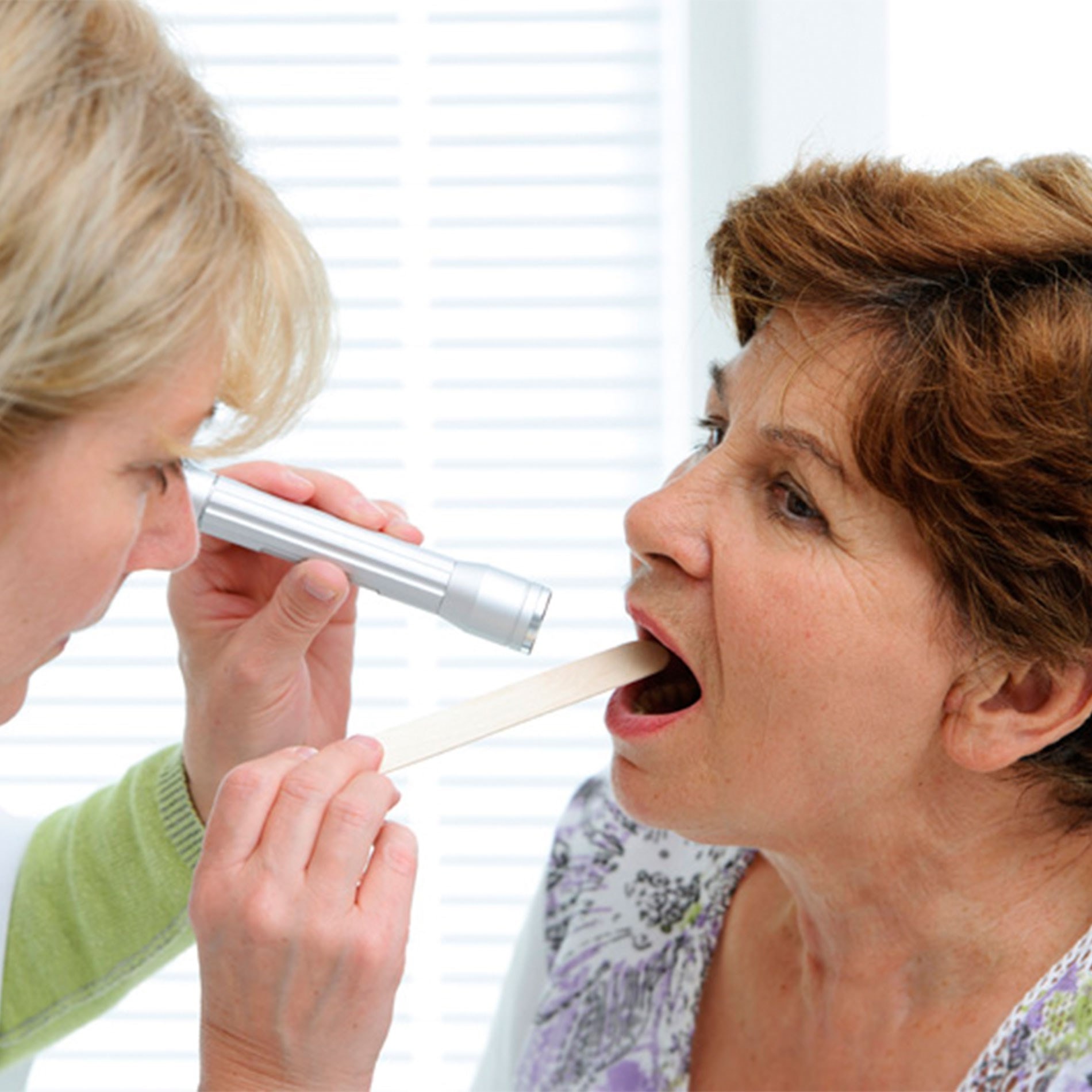
It may surprise you to learn that the oral microbiome is the second largest human microbiome, meaning it contains a complex mix of microbes; some are beneficial, others commensal (neutral), and some are pathogenic (bad). These microbes live in all the different habitats found in our mouth, including our teeth, gums and tongue.
You can read more about this fascinating subject here: Probiotics for Oral Health
Read on to discover what causes bad breath, how to reduce your chances of suffering from this distressing condition and which probiotics are best for bad breath.
What causes bad breath?
Our mouths are literally ‘awash’ with bacteria, and similar to inside our intestines, these bacteria can either be beneficial to our health and well-being, or not-so-beneficial. Our immune system constantly monitors the bacterial colonisation in our mouths, warding off potential bacterial invasion and reducing our chances of developing halitosis (bad breath). However, as with all aspects of our health, various lifestyle factors can alter this delicate balance of 'friendly' vs 'pathogenic' bacteria, resulting in dysbiosis. Read all about this in the article: What is dysbiosis?
Certain strains of undesirable bacteria such as Fusobacterium nucleatum, excrete large quantities of volatile sulphur compounds (VSCs), which have been found to be the main culprit behind bad breath. About 90% of the VSCs found in breath are either hydrogen- or dimethyl-sulphide, which smell like rotten eggs and rotten seaweed respectively. Not really the kind of smells anyone would want emanating from their mouth.
The lifestyle factors that can change our oral flora to favour the growth of these 'odour-causing' strains of bacteria, whilst causing a decline in healthy, probiotic strains include:
The use of antibiotics and certain other pharmaceutical drugs, such as steroid medications
Alcohol
Age – like with the gut microbiome, the composition of the oral microbiome changes during our life
Smoking and vaping3
Blood glucose dysregulation4 (diabetics are at greater risk of oral dysbiosis, which can cause periodontal disease)
Most undesirable, VSC-producing bacteria are anaerobes, meaning that they need to live in an un-oxygenated environment. The grooves in the tongue and pockets between our teeth and gums make ideal breeding grounds for them, which is why people that have gum disease are at higher risk of developing bad breath.
Whilst it is believed that most of cases of halitosis stem from the oral flora, there are also cases where the condition is caused by dysbiosis in the intestines. In just the same way that detrimental strains of bacteria in the mouth produce unpleasant smelling gases, so do undesirable strains of bacteria in the gut. Certain types of colonic bacteria produce foul smelling, methane or sulphur containing gases. The majority of this gas is released as passed wind, but a small part is absorbed in to the blood stream and released via the lungs. The unpleasant odour can therefore be detected on the subjects breath.
How to get rid of bad breath
Knowing the cause is only useful if we use this information to actually address probable causes or oral dysbiois, and support with bad breath.
It appears that the key may well just lie in controlling levels of these VSC-producing bacteria. General good oral hygiene such as tongue scraping and the use of interdental brushes can help with halitosis, as these methods limit food debris in the mouth that feed the bacteria, however, the real area of interest lies in the potential use of probiotics.
What is the best probiotic for bad breath?
A 2021 study5 looked at the effect of oral probiotics and subjective halitosis in college students in Korea, where 81% of college students experience halitosis (bad breath). There were 62 participants in a randomised, double-blind, placebo-controlled study. They were given either an oral probiotic or a placebo to take for 8 weeks, just before bed in the evening. There was a marked difference in the subjective halitosis perception in the probiotic group; 76.5% said they didn’t feel that they still had halitosis vs 50% saying this in the placebo group.
If the source of halitosis is thought to be due to an imbalance of gut flora as opposed to oral flora then correcting this imbalance by optimising digestion, limiting certain foods such as sugary snacks and drinks, eating fermented foods and taking a good quality multi-strain probiotic may help. Whilst clinical evidence is still fairly scarce in this area, there is a lot of anecdotal evidence that suggests that repopulating the gut with beneficial strains of Lactobacillus and Bifidobacteria is helpful in resolving this distressing condition.
Additionally, you might like to try the Ayurvedic technique of ‘oil-pulling’ to draw bacteria out of the mouth. This technique has been used in India for hundreds of years to excellent effect, and is gaining popularity in the West now, too.
Key take-aways for bad breath:
An oral probiotic can be useful
Bad breath may be caused by the bacteria in our mouth and gut.
Our immune system constantly monitors the bacterial colonisation in our mouths.
Certain lifestyle factors (such as smoking and medications) can change our oral flora to favour the growth of 'odour-causing' strains of bacteria, whilst causing a decline in healthy, probiotic strains.
General good oral hygiene such as tongue scraping and the use of inter-dental brushes can help with bad breath.
An imbalance of gut bacteria can contribute to bad breath.
Evidence suggests that repopulating the gut with beneficial strains of Lactobacillus and Bifidobacteria help reduce bad breath.
Read more articles from the Probiotics Learning Lab:
Ice cream for oral health? Yes - just add B. lactis BB-12!
Two studies show probiotics may improve oral health
Healthcare professionals can find out more in these articles, over on our sister site Probiotic Professionals:
Could probiotics help with oral thrush?
Probiotics may prevent recurrent tonsillitis in children, says new study