Why is oral health important?
Oral diseases are a growing concern worldwide and are the most prevalent type of non-communicable disease globally, affecting around 45% of the global population. In the UK, over 45% of adults suffer from some form of gum disease alone, but the burden of oral disease is widespread across the globe1,2.
The oral cavity is a gateway to the digestive and respiratory systems. Among its vital functions, it supports eating, swallowing, breathing, speech and taste, and forms a first line of defence against the outside world. So, it’s no surprise that poor oral health and oral disease can have such a profound impact on someone’s quality of life3.
The good news is that oral disease is highly preventable. Sugar consumption, tobacco use, alcohol use and poor hygiene are all modifiable risk factors for oral disease, but there is also a growing body of research to show that keeping your oral microbiome in check may be vital for long-term oral health too4.
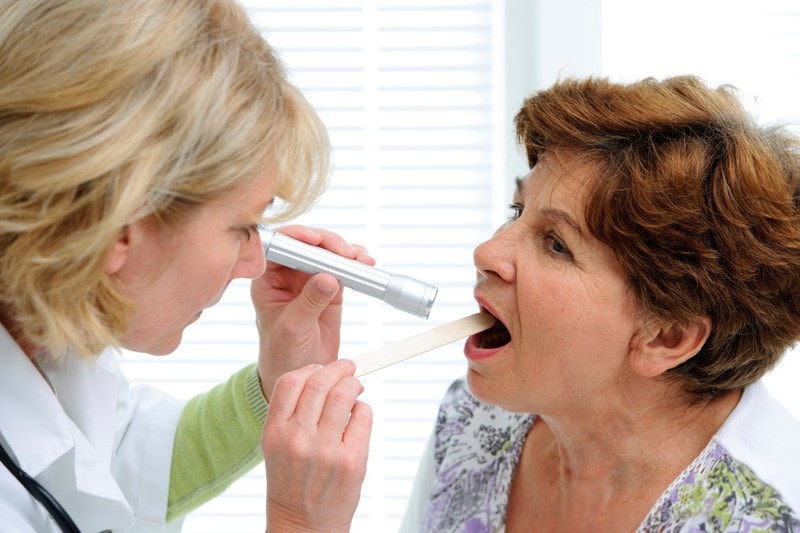
Studies have shown that probiotics may help with oral hygiene and reduce the duration of sore throats
What is the oral microbiome?
Similarly to the gut, the oral cavity is home to a complex ecosystem of microbes. The human oral microbiome contains over 700 identified bacterial species alongside fungi, viruses and other microorganisms, and is the second biggest human microbiome after the gut. The oral microbiome contains a mixture of beneficial microbes, along with commensal and pathogenic strains, which all reside in the various niches of the oral cavity within a biofilm matrix, or on the teeth in ‘plaque’. Each microbe plays a different role within the ecosystem, and a balanced mix of these bacteria supports a healthy mouth5.
A disruption to this balance, known as oral microbiome dysbiosis, allows pathogenic microbes to flourish. This is a key driver in the onset of tooth decay and various oral conditions, such as gingivitis, oral thrush, periodontitis, and halitosis (bad breath)4.
Many different factors can affect the microbial balance within the mouth, including smoking, alcohol use, medications, diet, chemicals and dental appliances, just to name a few.
Once this fine balance has been disrupted, an overgrowth of pathogenic bacteria within the oral cavity can promote a deterioration in oral health. Perhaps the most notable of these pathogens, is the common oral resident Streptococcus Mutans, known for its role in tooth decay5. This microbe metabolises sugars from the foods we eat into lactic acid which begins to break down tooth enamel, forming dental caries.
Another notable pathogen, Porphyromonas gingivalis, is the main bacterial species thought to contribute to periodontitis. P. gingivalis lives under the gum line, and is associated with gum swelling, destruction of gum tissue, and tooth loss5.
Beyond oral health, observational studies have linked oral dysbiosis and periodontal disease to a range of systemic conditions, including Alzheimer’s disease, cardiovascular disease and Type 2 diabetes4.
The best probiotics for oral health
Probiotics are thought to support oral health via several mechanisms:
Competitive exclusion: Blocking pathogens from colonising at adhesion sites6
pH Modulation: Neutralising acidic compounds which break down enamel7
Antimicrobial production: Produce compounds which inhibit pathogens6
Immune Modulation: Stimulating the host’s natural immune defences6,7
Recent studies highlight the role of probiotics in maintaining a healthy oral microbiome and promoting good long-term oral health8,9,10. It is, however, important to note that not all probiotic strains are beneficial for oral health, and so it’s always important to choose strains which have been shown to specifically support oral health and are backed by gold-standard clinical trials.
One recent randomised controlled trial tested a 4-strain probiotic combination in 20 adult patients with chronic periodontitis8. The patients were split into two groups, one group received a placebo mouthwash, and the other group received a probiotic mouthwash containing Lactobacillus helveticus Rosell-52, Lactobacillus rhamnosus Rosell-11, Bifidobacterium longum Rosell-175 & Saccharomyces boulardii CNCM I-1079. All patients received scaling and root planing at the beginning of the study and then used their mouthwash twice daily for 14 days.
After just 14 days, the probiotic group had significantly less gum inflammation and less plaque than in the placebo group. Researchers also saw that significantly lower levels of three key bacteria linked to gum disease in the probiotic group, whereas the placebo group saw no meaningful decrease in gum disease parameters. The researchers concluded that a probiotic mouthwash may be a useful addition to a professional deep clean, helping to reduce harmful bacteria and improve gum health8.
Two further studies have shown that the same probiotic mouthwash was as effective as Chlorhexidine mouthwash at reducing plaque accumulation and gum bleeding9,10. Interestingly, in one of the studies, plaque levels stayed low for 15 days after the mouthwash was discontinued9.
A separate study measured candida counts in a group of 90 adults who were at increased risk of oral thrush11. The same 4-strain probiotic was shown to reduce candida counts as effectively as an antifungal treatment. However, interestingly, the researchers found that a combination of probiotic and antifungal treatment together had the best effect.
Another well-researched probiotic strain for oral health is Lactobacillus rhamnosus GG, which is the most clinically studied probiotic strain in children, and is well known for its beneficial effects on gut health. This probiotic strain has also shown to support oral health, and has demonstrated activity against pathogenic oral bacteria, such as S. mutans. Studies found that when given this strain for 7 months, children were almost half as likely to develop dental caries12,13.
Is gut health linked to oral health?
Good oral health doesn't start and end in the mouth: research suggests that the gut and oral microbiomes influence each other in a bi-directional way, this is known as the gut-oral axis. It has been well documented that oral pathogens are a risk factor for gut dysbiosis and inflammatory digestive conditions, which occurs via migration of bacteria down through the digestive tract14.
However, scientists now believe that this relationship is far more complex, and that our gut microbes and their metabolites can affect our oral microbiome composition and impact our risk of oral diseases. For example, short chain fatty acids, like butyrate, are produced by certain gut bacteria and play a crucial role in regulating systemic inflammation and supporting gut barrier integrity15. Periodontal disease patients often present with low levels of SCFA producing bacteria, and this is thought to be a factor in the pathogenesis of the chronic oral condition. Low SCFA levels may contribute to higher levels of systemic and oral inflammation, therefore increasing gum inflammation and risk of oral disease16.
So, if you’re looking for holistic ways to support your oral health, then you may want to consider a probiotic for gut health too. Always choose well-researched probiotic strains and opt for strains which have been shown to increase beneficial bacteria and improve immune system regulation, like Bifidobacterium lactis HN019 or Bifidobacterium lactis Bl-0417,18.
For more related reading see:
Do probiotics help with bad breath?
Gut bacteria linked to obesity and bad breath